Old keys still fitting your current lock is a loose end most people don’t think about until it bothers them. The internals get reset properly, those keys stop working entirely, and the ones you’re holding now are the only ones that matter.
Efficient work, a properly reset mechanism, and every Parkside rekey handled with the seriousness security actually calls for. Technicians confirm the old keys are dead before the job’s considered finished.
Old keys sitting active longer than they need to isn’t worth the risk, so rekeys get treated as genuinely urgent.
A full new lock isn’t always necessary, so rekeying gets suggested first when the existing hardware’s still sound.
Property ownership gets confirmed before the pins get changed, so access only shifts with the right person’s say-so.
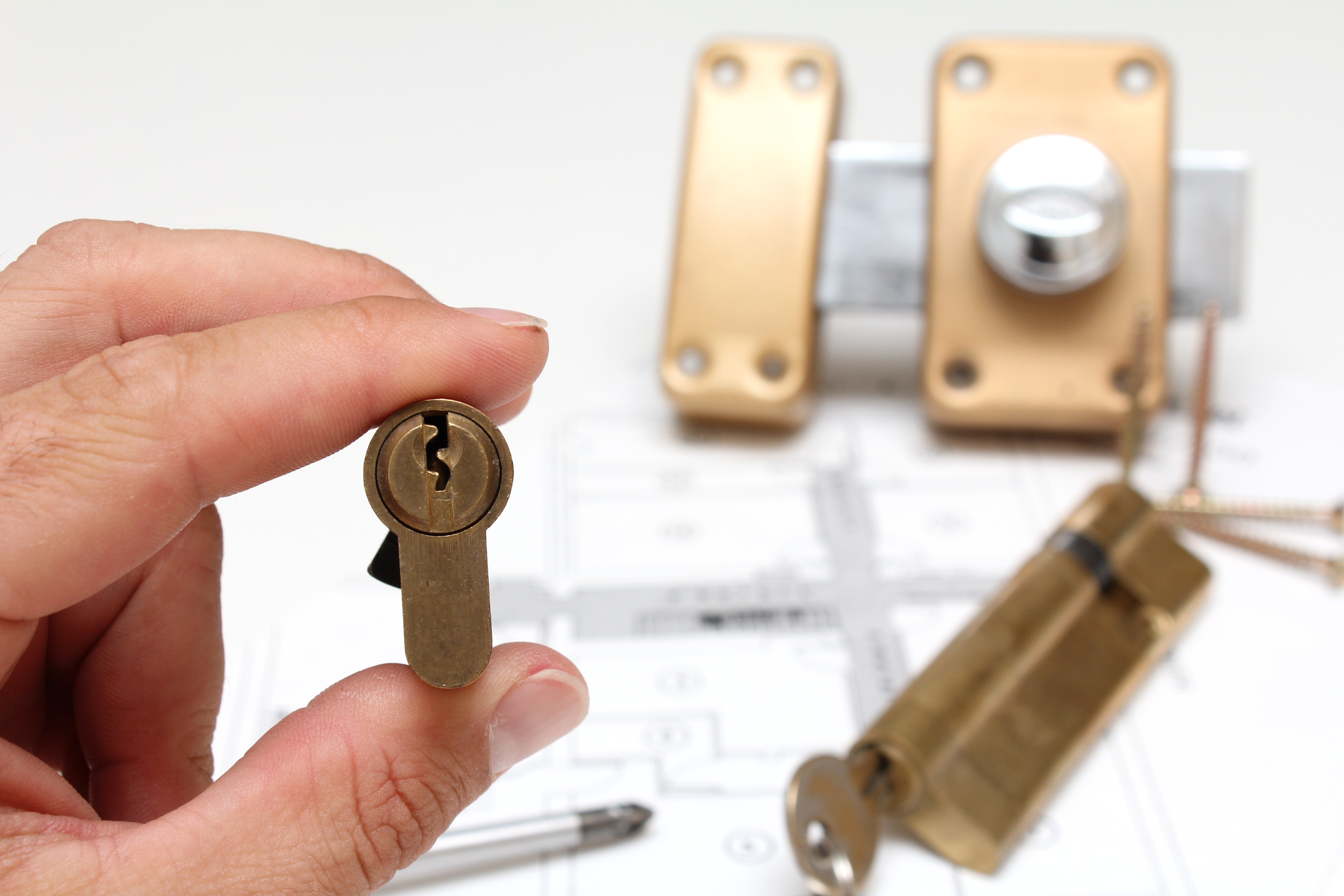
A shared house losing one housemate often leaves that person still holding a working key to the property. It happens that tracking down every copy handed out during a share-house arrangement isn’t always realistic. Technicians rekey the lock efficiently, closing that gap without requiring awkward conversations. This matters for Parkside’s share-house community managing regular housemate turnover. A straightforward rekey resets access cleanly for whoever’s staying on.
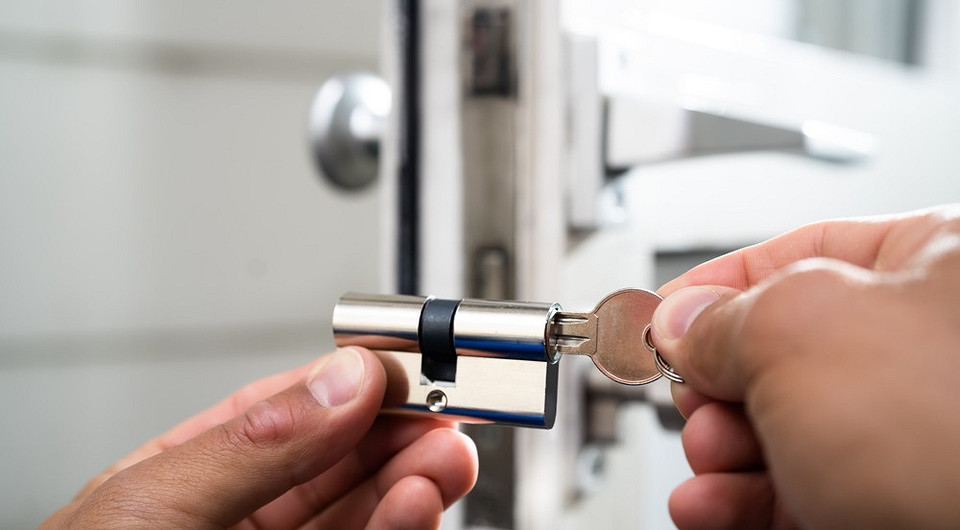
Contractors given temporary key access for a renovation sometimes retain a working copy long after the job’s finished. It happens more often than homeowners realise once several different trades have been through. Technicians rekey the property, eliminating any lingering access from past arrangements. This matters for Parkside homeowners who’ve had various tradespeople through during a renovation. A simple rekey closes that gap without unnecessary hassle involved.

Families involved in foster care sometimes need access reviewed and reset as living arrangements change over time. It happens as different people move in and out of the household at various points. Technicians handle these rekeys discreetly and promptly, understanding the sensitivity involved. This matters for Parkside families navigating changing household compositions. A straightforward rekey supports practical security without unnecessary complication during a sensitive time.

A change in business ownership or partnership arrangement often means shared knowledge of premises access needs resetting. It happens that outgoing partners shouldn’t retain working access indefinitely afterward. Technicians rekey commercial premises discreetly, giving remaining owners full, exclusive control. This matters for Parkside businesses navigating ownership transitions. A fresh rekey offers practical reassurance during a significant business change.
There is a conversation worth having about lock rekeying that most property owners in Parkside never get the opportunity to have before making a security decision that costs them significantly more than it needed to. When key security is compromised — when a key goes missing, when a tenancy ends, when a household relationship changes, or when the key history of a newly acquired Parkside property is simply unknown — the instinctive response is to replace the locks entirely. New lock, new key, fresh start. It feels comprehensive. It feels thorough. And in the majority of these situations, it is completely unnecessary — because lock rekeying achieves the identical security outcome at a fraction of the cost and in a fraction of the time, without touching the lock body, the door hardware, the period face plate, or any other component that contributes to the property’s appearance or its heritage character.
At Parkside Lock Pros, our lock rekeying service delivers this more intelligent security reset across Parkside and the surrounding inner-southern Adelaide suburbs — reconfiguring your existing lock’s internal mechanism so that every previous key permanently stops working and only a new, freshly cut key operates the lock. The result is a complete, verified key control reset that costs less than replacement, takes less time than replacement, and for Parkside’s heritage property owners preserves the original hardware that full replacement would eliminate. For every Parkside property owner facing a key security concern, understanding what rekeying actually involves and when it is genuinely the right choice is the foundation of a smarter security decision.
Lock rekeying is one of the most frequently misunderstood locksmith services — partly because its simplicity makes it seem less comprehensive than it is, and partly because the locksmith industry has historically had limited motivation to explain a cost-effective alternative to the more lucrative full lock replacement. Understanding the mechanics helps Parkside property owners make genuinely informed decisions:
The vast majority of locks used on Parkside residential and commercial properties — contemporary deadbolts, deadlatches, lever sets, and the replacement cylinders fitted to many of the suburb’s heritage lock bodies — use a pin tumbler cylinder mechanism. Inside the cylinder, a series of spring-loaded pin stacks sit within vertical chambers that cross the shear line between the rotating plug and the fixed housing. When the correct key is inserted, its cut profile lifts each pin stack to precisely the height that aligns all pin pairs simultaneously at the shear line — allowing the plug to rotate and operate the lock. Any key that lifts the pins to different heights prevents rotation.
Rekeying replaces the lower pins in each stack — the key pins that the key blade directly contacts — with pins of different heights. This creates a new, unique combination that only aligns correctly when a specific new key profile is inserted. The upper driver pins, the springs, the plug, the housing, the cam, the strike plate, and every other component of the lock remain completely unchanged. The old key no longer lifts the new pin configuration to the correct heights — it simply doesn’t work. The new key, cut to match the new pin heights, operates the lock perfectly. From every security standpoint, the outcome is identical to fitting a new lock of the same type and quality.
Understanding what rekeying preserves is as important as understanding what it changes — particularly for Parkside’s heritage property owners:
Understanding the situations in which rekeying is genuinely appropriate — and those where full replacement is more suitable — helps Parkside property owners make cost-effective, security-appropriate decisions:
For Parkside’s Victorian and Edwardian properties, lock rekeying carries an additional dimension of value that goes beyond simple cost-effectiveness:
Many of Parkside’s heritage homes carry original or very early replacement mortise lock bodies whose period character — the cast iron case, the ornate escutcheon, the period knob or lever — contributes meaningfully to the property’s authentic heritage presentation. Replacing these locks entirely when rekeying would achieve the same security outcome means permanently removing original hardware that cannot be recovered. For Parkside heritage property owners who have invested in the authentic preservation of their property’s original details, rekeying that preserves original lock bodies while restoring key control is not simply the more economical choice — it is the more architecturally responsible one.
Heritage mortise cylinders on Parkside’s Victorian and Edwardian homes use cylinder formats that differ from contemporary pin tumbler profiles — requiring period-specific rekeying kits, specific knowledge of the pin sizes and spring specifications used in different era lock hardware, and the patience to work within the tighter tolerances of period mechanism components. Our technicians carry the period-specific rekeying equipment needed to rekey Parkside’s heritage lock cylinders correctly — producing accurate new key combinations that operate original period mechanisms without creating the operational stress that incorrectly configured period pins would cause.
Our technician begins by examining each lock to be rekeyed — confirming the cylinder type, the pin format, the current mechanical condition, and for heritage locks the specific period profile and pin size specification. This assessment ensures we carry the correct rekeying components for every lock on the visit before any cylinder is removed.
The cylinder is carefully removed from the lock body using tools appropriate for the specific lock type and era. For heritage mortise locks on Parkside’s Victorian and Edwardian properties, cylinder removal involves additional disassembly steps that our technicians handle with appropriate care for the original surrounding hardware.
Using rekeying kits matched to the lock’s specific cylinder format and pin size specification — including period-specific kits for Parkside’s heritage lock cylinders — we remove the existing key pins and replace them with new pins selected to match a fresh key combination. Each pin must be precisely the correct height for the new key to operate the cylinder reliably through thousands of future operations.
With the new pin configuration established, we cut the corresponding new key using our mobile key cutting equipment — matched precisely to the new pin heights and cut on the correct blank profile for the specific cylinder type, including period profiles for heritage Parkside cylinders.
The rekeyed cylinder is reassembled carefully — confirming correct pin and spring seating before reinstallation — and reinstalled in the lock body with appropriate care for the surrounding period hardware on Parkside’s heritage properties.
We test the rekeyed lock with the new key through multiple complete cycles — confirming smooth insertion, correct rotation, full bolt or latch operation, and reliable function — and verify conclusively that the previous key no longer operates the lock before considering the job complete.
We discuss appropriate disposal or decommissioning of old keys — particularly important in commercial Parkside rekeying situations where multiple copies of the previous key configuration may have been distributed across a staff team.
One of the most practically valuable rekeying applications for Parkside property owners — reconfiguring multiple locks across the property to operate on a single key:
For Parkside’s heritage homes where different locks may use different period cylinder formats — a Victorian mortise on the front door, an Edwardian rim lock on a side entry, and a contemporary deadlatch on the back — keying alike requires assessment of cylinder compatibility before proceeding. Where period cylinders of different formats cannot be directly keyed alike, we advise on the most appropriate approach to achieve single-key access while preserving original hardware.
Our rekeying team covers Parkside and the surrounding inner-southern suburbs including Unley, Fullarton, Malvern, Goodwood, Wayville, Millswood, Black Forest, Hyde Park, and Clarence Park. We arrive with period-specific rekeying components alongside our standard contemporary range — completing most rekeying jobs in a single efficient visit.
Don’t pay for full lock replacement when rekeying delivers the identical security outcome at a fraction of the cost — and for Parkside’s heritage property owners, don’t eliminate original period hardware that rekeying would preserve. Parkside Lock Pros provides professional, heritage-aware, and honestly priced lock rekeying services across Parkside and the surrounding inner-southern suburbs — handling everything from a single contemporary deadbolt through to a complete heritage property rekey in period-appropriate cylinder formats. Call us today and restore complete key control over your Parkside home or business without unnecessary expense.
Same-Day Appointments Available
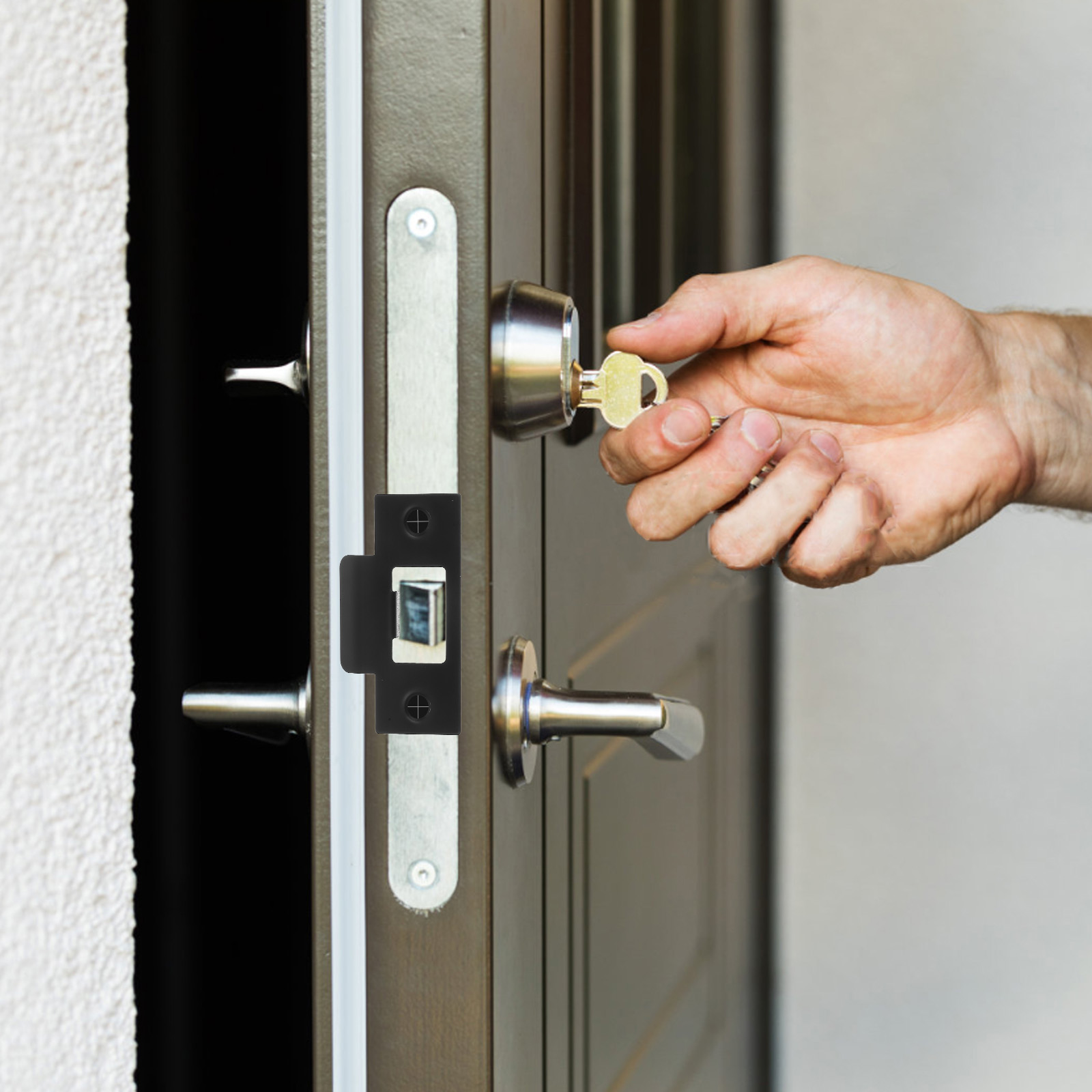
Rekeying changes the internal pins so old keys stop working, while replacement swaps the whole mechanism out.
Most rekeying jobs are done within 20 to 30 minutes per lock, depending on the hardware.
Most standard pin-tumbler locks can be, though older or damaged ones might need replacing instead.
Generally yes, it's a more affordable way to reset security without buying new hardware.
Rekeying every exterior lock is recommended, keeping security consistent across all entry points.